I’ve Never Been On A Meditation Retreat Before — What Should I Expect?
If you’ve never attended a meditation retreat before, it’s natural to feel a little uncertain.
You may be wondering whether you’ll fit in, whether you’ll be able to meditate, whether you’ll have enough free time, or even whether spending several days focusing on yourself will feel uncomfortable.
The good news is that most people who attend our retreats are not experienced meditators. Many are attending their very first retreat.
The purpose of a retreat is not to be good at meditation. The purpose is to step away from the busyness of daily life long enough to reconnect with yourself, learn valuable skills, and experience what it feels like when the mind begins to settle.
What Actually Happens On A Meditation Retreat?
A meditation retreat is a combination of learning, practice, rest, and reflection.
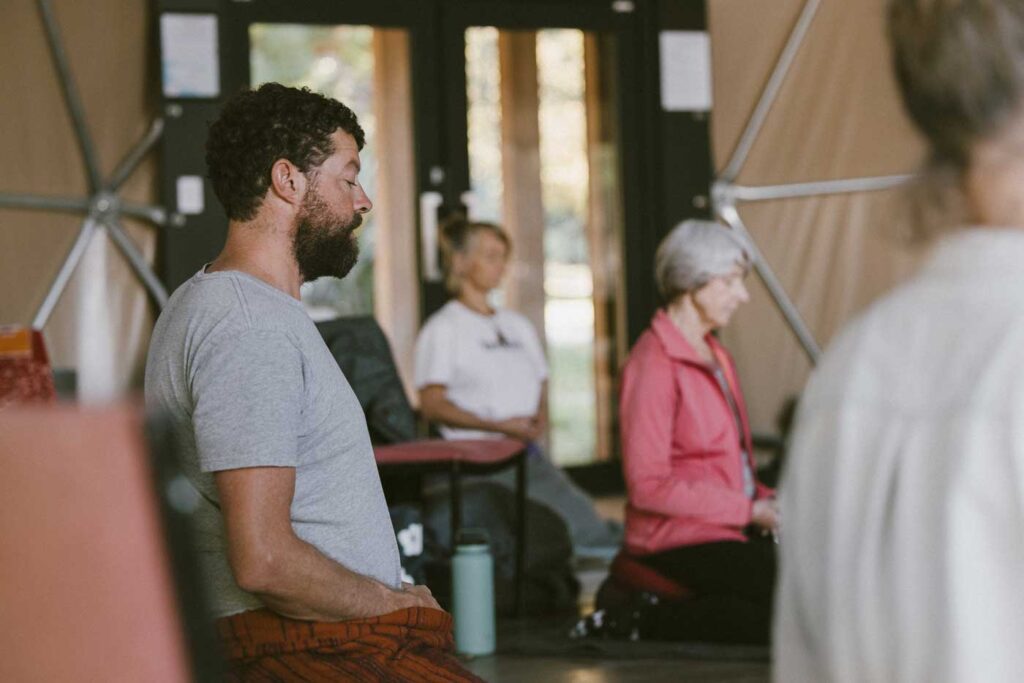
Throughout the retreat you’ll participate in guided meditation sessions, yoga classes, practical teachings, group discussions, and periods of personal time.
There is no need to “clear your mind” or sit in perfect stillness. Meditation is a skill that is learned progressively, and the retreat is designed to guide you through that process step-by-step.
Our retreats place a strong emphasis on understanding how the mind works, learning practical meditation techniques, and developing a practice that you can continue at home.
What If I’ve Never Meditated Before?
This is one of the most common concerns people have.
Meditation is often portrayed as something mysterious or difficult, but in reality it is a learnable skill. Just as you wouldn’t expect yourself to play a musical instrument perfectly on your first day, there is no expectation that you will arrive knowing how to meditate.
The retreat provides structured guidance, practical explanations, and plenty of opportunities to ask questions.
Many people are surprised to discover that their busy mind is not a problem. In fact, learning how to work with distraction, overthinking, and emotional reactivity is an important part of meditation practice.ng their first meditation retreat becomes the beginning of a lifelong relationship with meditation and a more peaceful way of living.
Will I Be Sitting Cross-Legged All Day?
No.
Our retreats include a balance of meditation, yoga, movement, learning sessions, meals, and free time.
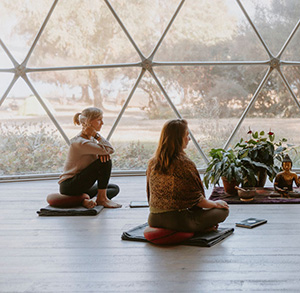
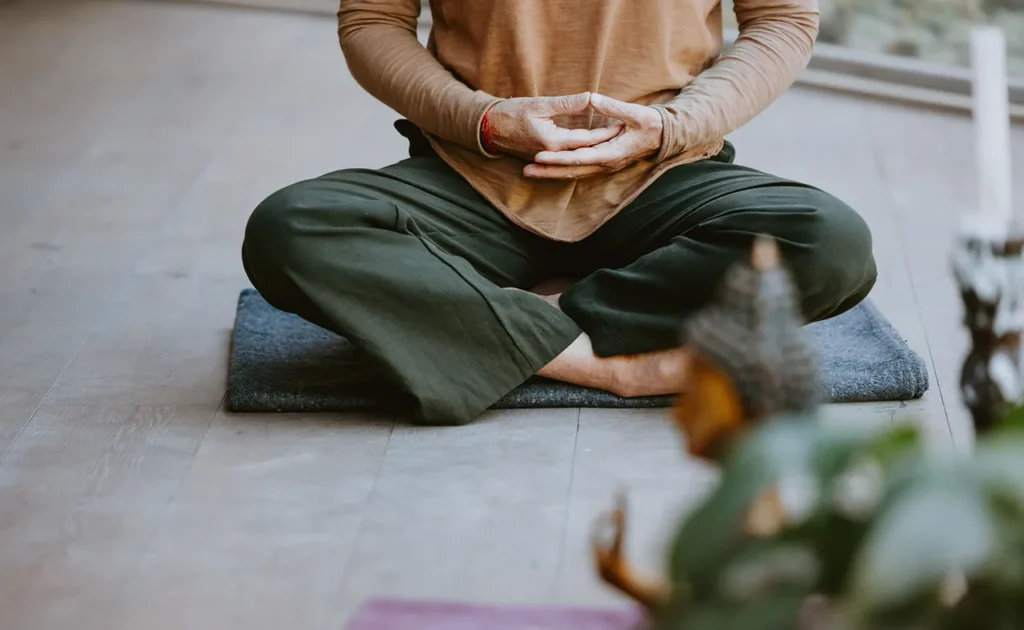
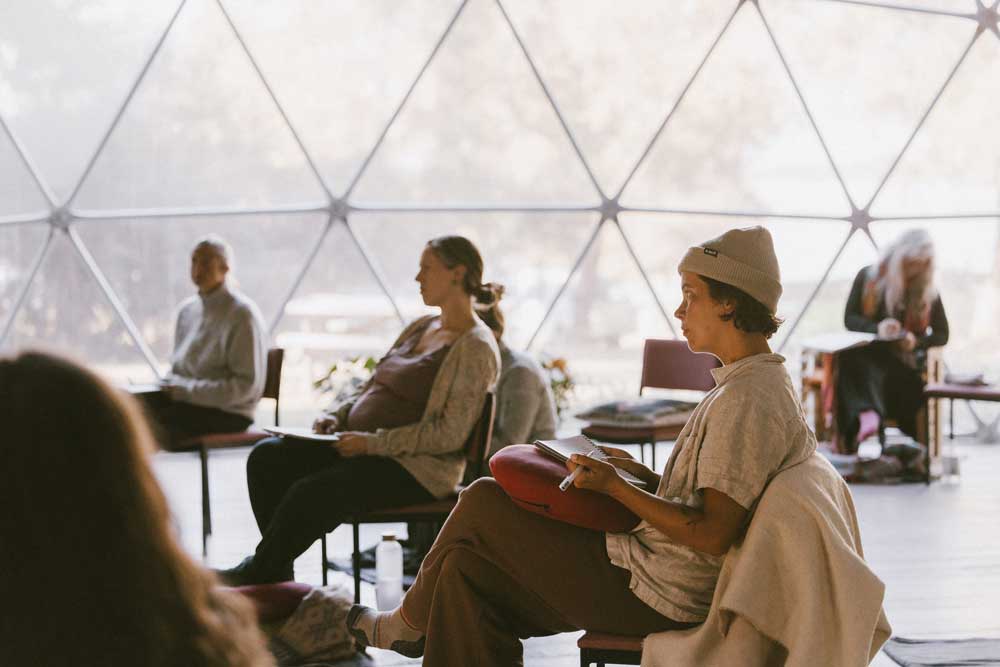
Meditation can be practised sitting on a cushion, sitting on a chair, walking, or lying down in certain circumstances. Comfort and sustainability are far more important than forcing yourself into a particular posture.
The aim is to create conditions where you can relax and learn, not endure discomfort.
What is a meditation retreat actually like?
A meditation retreat is simply dedicated time away from the busyness of everyday life.
Instead of rushing between work, family commitments and endless to-do lists, you give yourself permission to slow down.
A typical retreat includes:
- Guided meditation sessions
- Gentle yoga suitable for most people
- Practical teachings about meditation and the mind
- Time in nature
- Delicious nourishing meals (for residential retreats)
- Opportunities to ask questions and get personalised feedback on your practice
- Quiet time for rest and reflection
What if I can’t stop thinking?
This is probably the number one fear people have.
The reality is that everyone’s mind wanders.
Meditation isn’t about forcing your mind to become blank or stopping thoughts altogether. It’s about learning a different relationship with your thoughts.
If your mind feels busy, you’re completely normal.
In fact, noticing how busy the mind is the first important milestone to cultivating a different state of mind.
What Is The Yoga Like?
The yoga sessions are designed to complement the meditation practice.
They are generally gentle, accessible, and suitable for a wide range of abilities and experience levels. The emphasis is not on performance or flexibility but on cultivating awareness, relaxation, and ease within the body.
Many participants appreciate how the movement helps them settle more deeply into meditation.
Will There Be Enough Free Time?
Yes.
One of the greatest gifts of retreat is space.
Space to walk in nature, sit quietly with a cup of tea, read, journal, rest, or simply do nothing at all.
Many people arrive exhausted from the pace of everyday life and discover that the spaciousness between activities becomes one of the most valuable parts of the retreat.
Can I Come On My Own?
Absolutely.
Many participants attend on their own.
In fact, coming alone can be a wonderful experience because it allows you to fully immerse yourself in the retreat without needing to look after anyone else.
Retreats tend to attract thoughtful, kind, and curious people, and a supportive sense of community often develops naturally throughout the week.
Is This A Religious Retreat?
The meditation practices taught on our retreats are drawn from the Mahamudra and Dzogchen traditions of Tibetan Buddhism.
However, they are taught in a secular, practical, and accessible way.
You do not need to be Buddhist, spiritual, or hold any particular beliefs to benefit from the retreat.
The focus is on understanding the mind, reducing stress, cultivating clarity, and developing qualities that support a meaningful and fulfilling life.
What Do People Usually Gain From Retreat?
Everyone’s experience is unique, but common outcomes include:
- A structured meditation practice they can continue at home.
- Greater calm and stability of mind.
- Reduced stress and mental overwhelm.
- Improved self-awareness.
- Greater emotional resilience.
- Clarity around important life decisions.
- A deeper sense of connection with themselves and others.
- Rest, renewal, and inspiration.
Perhaps most importantly, many people leave with the realisation that peace of mind is not something that needs to be created. It is something that becomes available when we learn how to stop constantly chasing, fixing, and striving.
How Do I Know If A Meditation Retreat Is Right For Me?
If you feel drawn to slowing down, learning meditation properly, reconnecting with yourself, spending time in nature, or taking a break from the pace of daily life, then a retreat may be exactly what you need.
You do not need to be stressed, burnt out, spiritual, flexible, or experienced.
You simply need a willingness to show up and explore.
For many people, attending their first meditation retreat becomes the beginning of a lifelong relationship with meditation and a more peaceful way of living.
See our Upcoming Retreats to find a retreat just right for you.