How To Choose The Right Meditation Retreat In New Zealand
Meditation retreats have become increasingly popular in New Zealand as more people look for ways to slow down, reduce stress, improve their wellbeing and learn practical skills for navigating the challenges of modern life. Yet with so many different retreats available, choosing the right one can feel overwhelming.
Some retreats focus primarily on relaxation and wellness. Others are silent retreats. Some offer a spiritual or religious approach, while others teach meditation in a practical and secular way. There are weekend retreats, week-long immersions, luxury retreats, yoga retreats and intensive meditation courses.
If you’re considering attending your first meditation retreat, or you’re looking for a retreat that will genuinely help you deepen your practice, there are several important things worth considering.
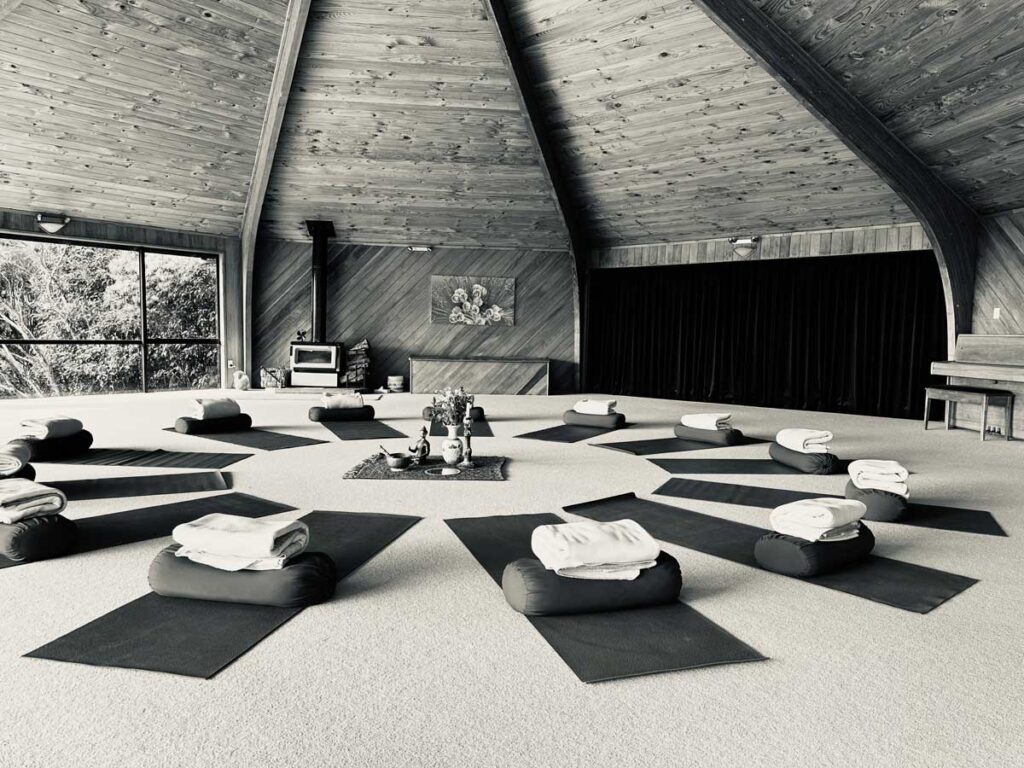
Get Clear On What You Are Looking For
The first question to ask yourself is simple:
Why do I want to attend a retreat?
People come to meditation retreats for many different reasons.
Some are feeling overwhelmed by stress, anxiety or the constant busyness of life. Others are seeking greater clarity, emotional balance, peace of mind or a deeper understanding of themselves. Some are curious about meditation as part of a spiritual practice. Others already have an established practice and are looking to refine it and work with an experienced teacher.
There is no right or wrong reason to attend a retreat, but being clear about your intentions will help you find the retreat that best meets your needs.
A retreat focused on learning meditation may be very different from a retreat focused primarily on relaxation. While relaxation can certainly be one outcome of meditation, meditation is more about training the mind; coming to see how the mind works and understanding how its patterns develop.
Look For A Retreat That Teaches A Structured Practice
One of the most common mistakes people make is choosing a retreat based solely on the location or accommodation.
Beautiful surroundings certainly help. Nature has a powerful ability to calm the nervous system and create space for reflection. However, the quality of the teaching is ultimately what determines whether a retreat is a pleasant one-off experience or a genuinely life-changing one.
A good meditation retreat should teach a clear and structured approach to meditation that you can are confident to practise when you return home.
Many people have tried meditation apps, read books or experimented with meditation on their own. While these can be excellent starting points, it is often difficult to know whether you are practising effectively or how to work with the challenges that inevitably arise.
Learning from an experienced teacher provides guidance, feedback and the opportunity to ask questions specific to your own experience.
The goal is not simply to have a good retreat. The goal is to develop a practice that continues to support you for years to come.
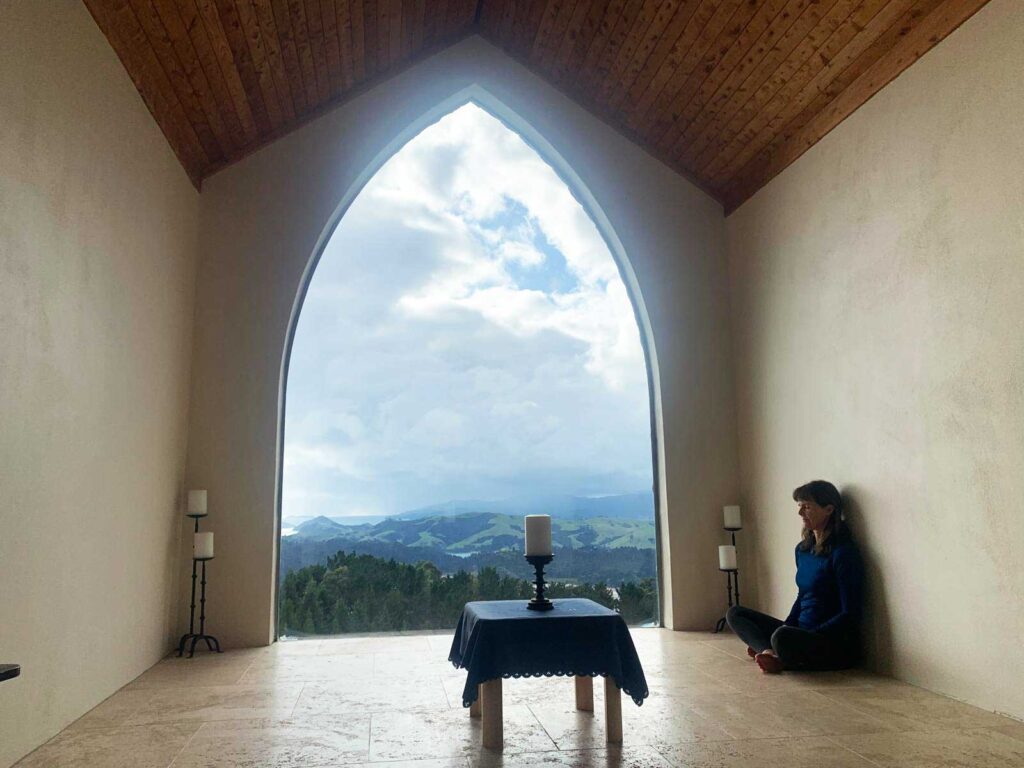
Consider The Experience Of The Teacher
The quality and authenticity of the teacher is one of the most important factors when choosing a meditation retreat.
Meditation is a skill that develops through experience and practice. While anyone can guide a relaxation exercise, teaching meditation effectively requires a depth of understanding that comes from many years of personal practice, study and teaching.
When researching a retreat, consider questions such as:
- How long has the teacher been practising meditation?
- How long have they been teaching?
- What training have they received?
- Is there a clear teaching methodology?
- Do participants have opportunities to ask questions and receive guidance?
At Retreats NZ, Susan Allen has been practising meditation and yoga for over 35 years and has been teaching for 25 years. She has studied extensively with teachers from the Tibetan Buddhist tradition, including periods of study in India. Previously a mechanical engineer, her teaching emphasises a structured and accessible approach to meditation that can be integrated into everyday life.
Make Sure The Retreat Is Suitable For Beginners
Many people hesitate to attend a retreat because they worry they are not experienced enough.
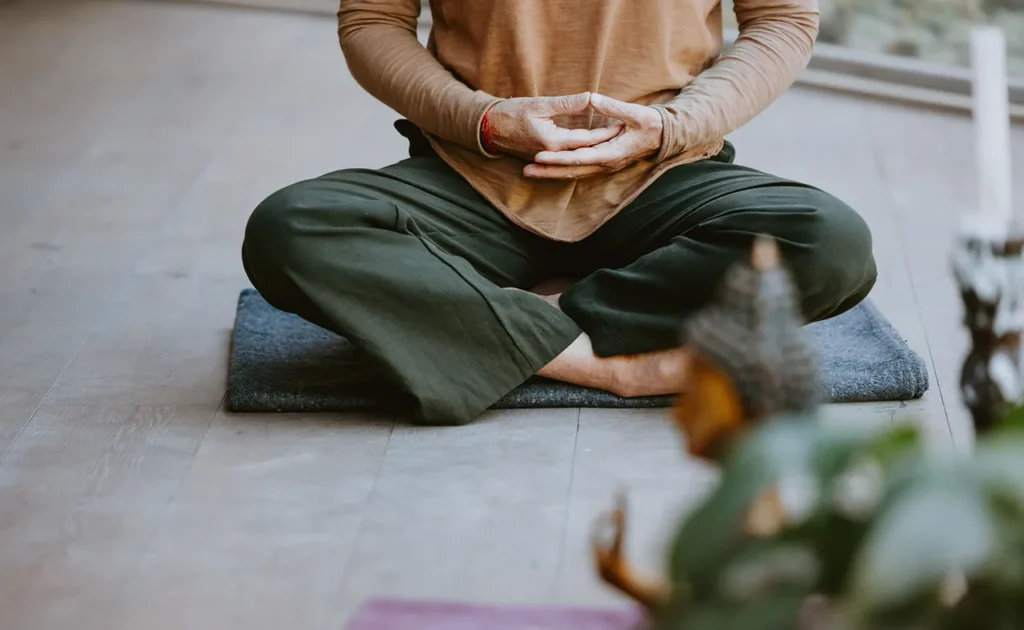
You do not need to know how to meditate before attending a retreat. You do not need to sit cross-legged. You do not need to have a quiet mind.
A good beginner-friendly retreat will start with the fundamentals and provide clear instruction, practical guidance and ongoing support.
One of the most common misconceptions about meditation is that successful meditation means stopping thoughts. This is not correct, meditation is not about forcing the mind to be quiet. That would be an impossible task!. Rather, it is about learning how to relate differently to thoughts, emotions and experiences. To learn how to not get swept away and consumed by thinking and emotions. To learn how to operate more from a spacious awareness rather than only from the thinking, reactive mind.
If you are new to meditation, look for a retreat that welcomes beginners and provides a structured pathway for learning.

Understand What Meditation Is Actually Teaching
Many people think meditation is primarily about relaxation.
While relaxation is often a welcome side effect, meditation is ultimately a training of attention and awareness.
The mind naturally wanders. It becomes caught in worries about the future, regrets about the past and endless random streams of thinking. Meditation helps us develop the capacity to recognise these patterns and gradually become less dominated by them.
At Retreats NZ, participants learn practices that cultivate:
Stability of Attention – Learning how to focus and sustain attention without constantly being pulled away by distractions and thoughts.
Insight – Understanding how the mind creates many of the patterns that lead to stress, emotional reactivity and suffering.
Awareness – Discovering a deeper sense of presence and ease that exists beneath the constant movement of thought.
These skills have practical applications in every area of life, including work, relationships and personal wellbeing.
Consider The Retreat Environment
The environment plays an important role in supporting learning and reflection.
One of the reasons people often make significant progress on retreat is that they temporarily step away from the distractions and demands of daily life.
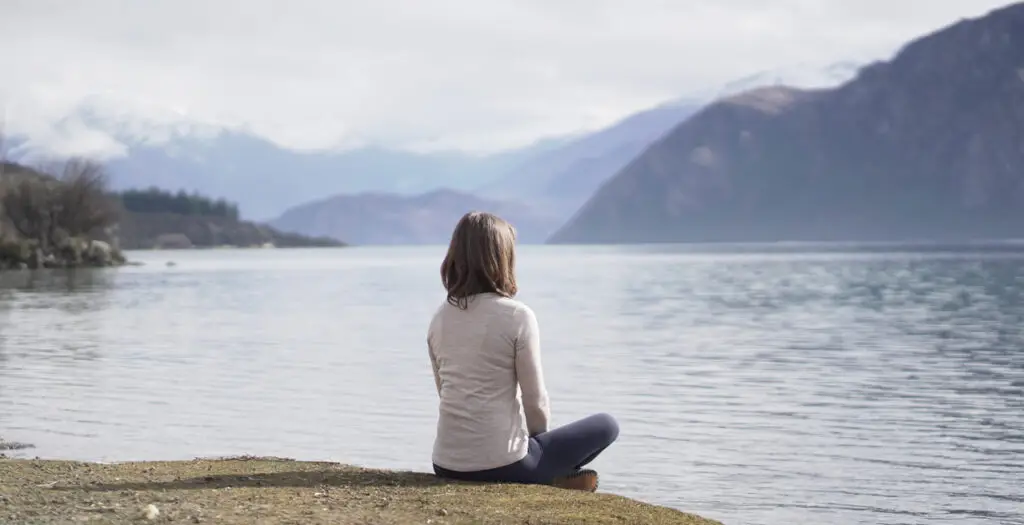
New Zealand offers some exceptional settings for meditation retreats, from coastal environments to mountain landscapes and native bush settings.
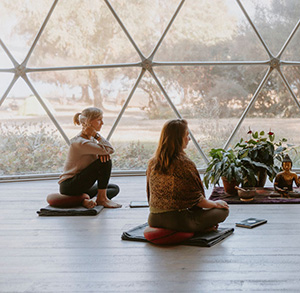
The ideal environment is one that encourages stillness, spaciousness and connection with nature. Urban retreats are also possible when the venue is selected carefully for its aesthetics and quietness.
At Retreats NZ, retreats are held in carefully selected locations including the Coromandel, Auckland and Wanaka. Each setting offers a different experience while supporting the same intention: creating the conditions for genuine learning, rest and personal growth.
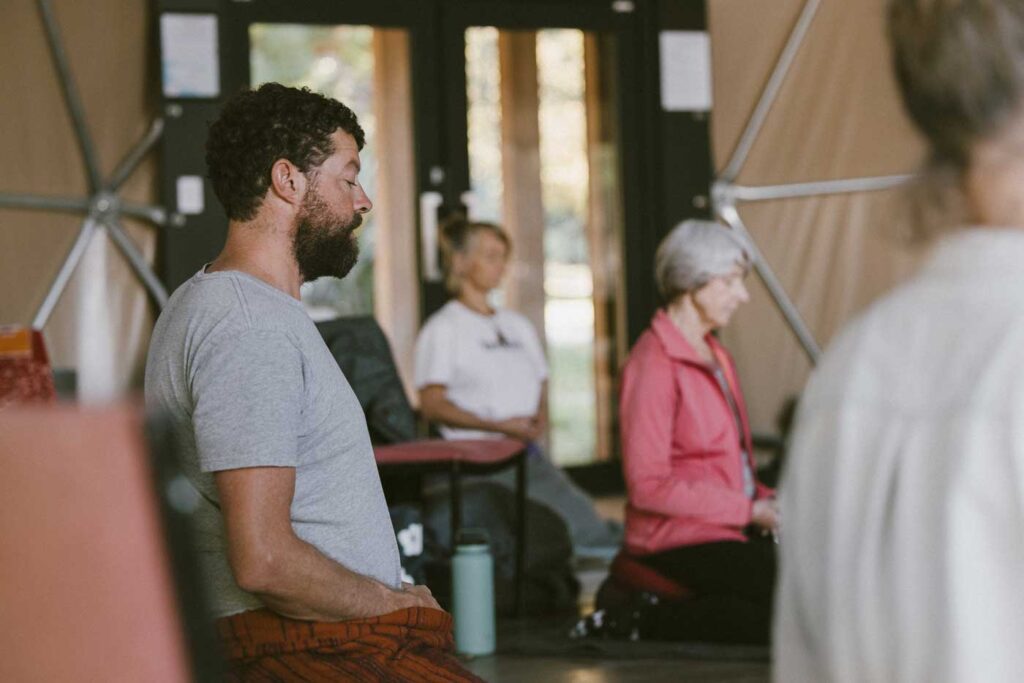
Residential Or Non-Residential?
Another factor to consider is whether you prefer a residential retreat or a non-residential retreat.
Residential retreats allow you to fully immerse yourself in the experience, free from the responsibilities and distractions of everyday life.
Non-residential retreats allow you to learn meditation during the day while continuing to stay in your own home at night.
Neither option is inherently better. The right choice depends on your circumstances, availability and goals.
What Happens After The Retreat?
This is perhaps one of the most important questions you can ask.
A retreat should not be viewed as a standalone experience.
The greatest benefits come from integrating what you learn into your daily life.
Look for retreats that provide practical tools, guidance and support for continuing your practice at home.
The most valuable retreat is not necessarily the one where you feel the most relaxed during the retreat itself. It is the one that helps you establish habits, perspectives and practices that continue to enrich your life long afterwards.
Retreats NZ offers follow up meetings with the teacher, monthly online group meetups and well as ongoing mentorship programs. Following your retreat you’ll be provided with a comprehensive collection of meditation recordings to take home to continue your learning.
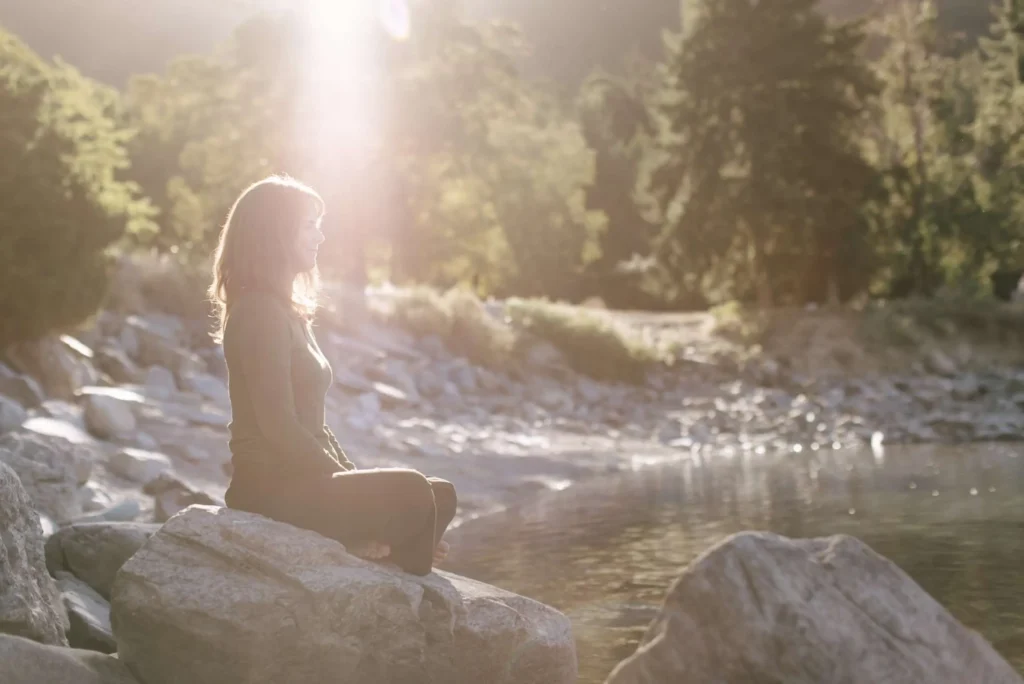
Silent or Not-Silent?
Some retreats are done in noble silence, where there is no talking between participants. Many also have no discussion between the teacher and students. These approach can facilitate a quietness for some individuals and for others they can heighten the internal dialogue making the retreat feel quite unnatural and uncomfortable.
Retreats that allow talking and discussion can help to make participants feel at ease and also have the advantage of getting to meet like minded people. For many this is one of the real wonderful takeaways. On these retreats it can be nice to minimise mindless chatter and be aware of how this can help the mind to settle. The ability to ask questions and discuss the practice is a real advantage as this is where learning progresses.
Choosing The Right Retreat For You
Ultimately, the right meditation retreat is one that aligns with your goals, offers skilled teaching, provides a supportive environment and equips you with practices that can be integrated into everyday life.
If you are looking for a meditation retreat in New Zealand, consider whether the retreat:
- Welcomes beginners.
- Teaches a clear and structured meditation practice.
- Provides access to an experienced teacher.
- Includes opportunities for questions and personalised guidance.
- Offers practices you can continue at home.
- Balances learning, reflection and rest.
- Is held in an environment that supports calm and contemplation.
A retreat can be much more than a few days away from your normal routine. For many people, it becomes the beginning of a lifelong meditation practice and a new way of relating to themselves and the world around them.
Whether your goal is reducing stress, learning meditation, finding greater clarity or simply creating space to reconnect with what matters most, choosing the right retreat can be the first step on a deeply rewarding journey.